







Summer changes how your skin behaves and how it heals. Stronger UV exposure, increased oil production, and environmental stressors all affect what treatments make sense. Choosing the right exfoliation method in warmer months protects your skin barrier, prevents hyperpigmentation, and supports long-term skin health.
Chemical peels and microdermabrasion both refine texture, boost glow, and improve tone. The difference lies in depth, downtime, and sensitivity, all of which matter more during high-sun seasons like summer.
What’s the Difference Between a Chemical Peel and Microdermabrasion?
Chemical peels use acids to dissolve the outer layer of skin, while microdermabrasion uses physical exfoliation to polish the surface.
Both are professional skin resurfacing treatments, but their mechanisms and effects differ:
| Treatment | Method | Depth | Downtime | Best For |
| Chemical Peel | Acid-based exfoliation (AHA, BHA, TCA) | Varies (light to medium) | 3–7 days | Pigmentation, acne scars, aging skin |
| Microdermabrasion | Diamond-tip exfoliation with suction | Superficial | None | Dullness, texture, clogged pores |
A light chemical peel removes damaged cells chemically to stimulate regeneration. Microdermabrasion clears debris and dead skin cells using gentle physical abrasion. Both improve radiance, but only chemical peels penetrate beyond the epidermis.
Is It Safe to Get a Chemical Peel in Summer?
Yes, light chemical peels can be performed in summer with strict sun protection and post-care.
Superficial peels like the PCA Sensi Peel or SkinCeuticals MicroPeel exfoliate gently without triggering excessive inflammation or peeling. These formulas support brightening and hydration while minimizing sensitivity.
Deeper peels increase sun sensitivity and are often deferred to cooler months. Fitzpatrick skin type matters here: lighter skin tones recover faster, while deeper tones need expert-tailored formulas to avoid post-inflammatory pigmentation.
Avoiding direct sun exposure, wearing SPF 30+ daily, and hydrating the skin are essential steps for safe recovery.
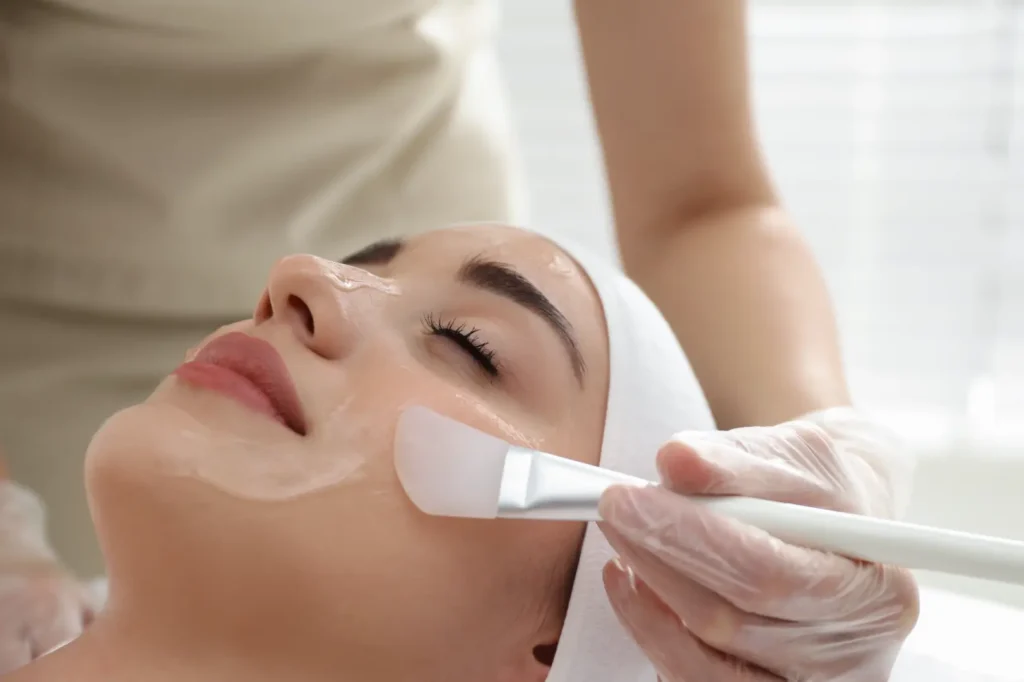
Why Microdermabrasion Is a Go-To Summer Treatment
Microdermabrasion is ideal for summer because it refreshes skin without downtime or increased sun sensitivity.
It works at the skin’s surface, improving tone and texture while avoiding deep dermal injury. For patients with sensitive, oily, or breakout-prone skin, this treatment clears congestion and smooths without disrupting barrier function.
Since it doesn’t involve active acids or peeling, there’s no flaking or redness to manage. This makes it a strong option before travel, weddings, or summer events. Patients can return to their routines immediately while maintaining glow-forward skin.
Which Treatment Is Right for You? Match the Method to Your Skin Goals
Choose a chemical peel for correction. Choose microdermabrasion for maintenance.
Here’s how skin goals align with treatment choice:
| Skin Goal | Best Option | Why |
| Acne scars, uneven pigment | Light Chemical Peel | Stimulates cellular turnover and fades discoloration |
| Dullness, rough skin texture | Microdermabrasion | Buffs surface instantly for a refined glow |
| Melasma, blotchy tone | PCA Peel | Targets melanin clusters and regulates pigment production |
| Pre-vacation or event glow | Microdermabrasion | Delivers clarity and radiance with no peeling |
| Sensitive, reactive skin | PCA Sensi or Microderm | Gentle on the barrier, reduces inflammation |
If your skin needs deep renewal and discoloration correction, chemical peels offer longer-lasting change. If you’re maintaining results or prepping for an occasion, microdermabrasion is the safer choice for active summer months.
Summer Treatment Precautions
Both treatments require sun protection, but chemical peels demand more strict aftercare.
After a peel, skin remains photosensitive for up to a week. UV exposure during this window increases the risk of hyperpigmentation and delayed healing. Patients should:
- Avoid direct sun from 10 a.m. to 4 p.m.
- Reapply SPF 50+ every 2 hours
- Wear wide-brimmed hats and sunglasses outdoors
- Skip hot showers, saunas, and sweat-inducing workouts for 3–5 days
Microdermabrasion carries a lower risk, but sunscreen is still mandatory. Skin is slightly more exposed and vulnerable to oxidative damage post-treatment, especially in humid climates.
Aftercare Essentials for Radiant Summer Skin
Hydration, barrier repair, and SPF define post-treatment recovery.
After a chemical peel, use:
- A fragrance-free cleanser with lukewarm water
- Occlusive moisturizers with ceramides to restore the barrier
- Cool compresses for heat-induced discomfort
Avoid products like retinoids, AHAs/BHAs, and exfoliants for 5–7 days. Let peeling occur naturally to prevent scarring.
After microdermabrasion, focus on:
- Hyaluronic acid serums for hydration
- Antioxidants like vitamin C can boost repair
- Daily SPF to lock in post-treatment glow
Both treatments benefit from a simplified regimen focused on repair, not stimulation.
When to Avoid Chemical Peels or Microdermabrasion in Summer
Skip treatments if your skin is sunburned, sensitized, or compromised.
Post-sun exposure or tanning weakens the skin barrier. Performing exfoliation during this phase raises the risk of inflammation and pigmentation. Delay treatment if:
- You’ve recently returned from an outdoor vacation
- You’re using photosensitizing medications (e.g., Accutane, antibiotics)
- You’re planning beach travel within 5 days post-treatment
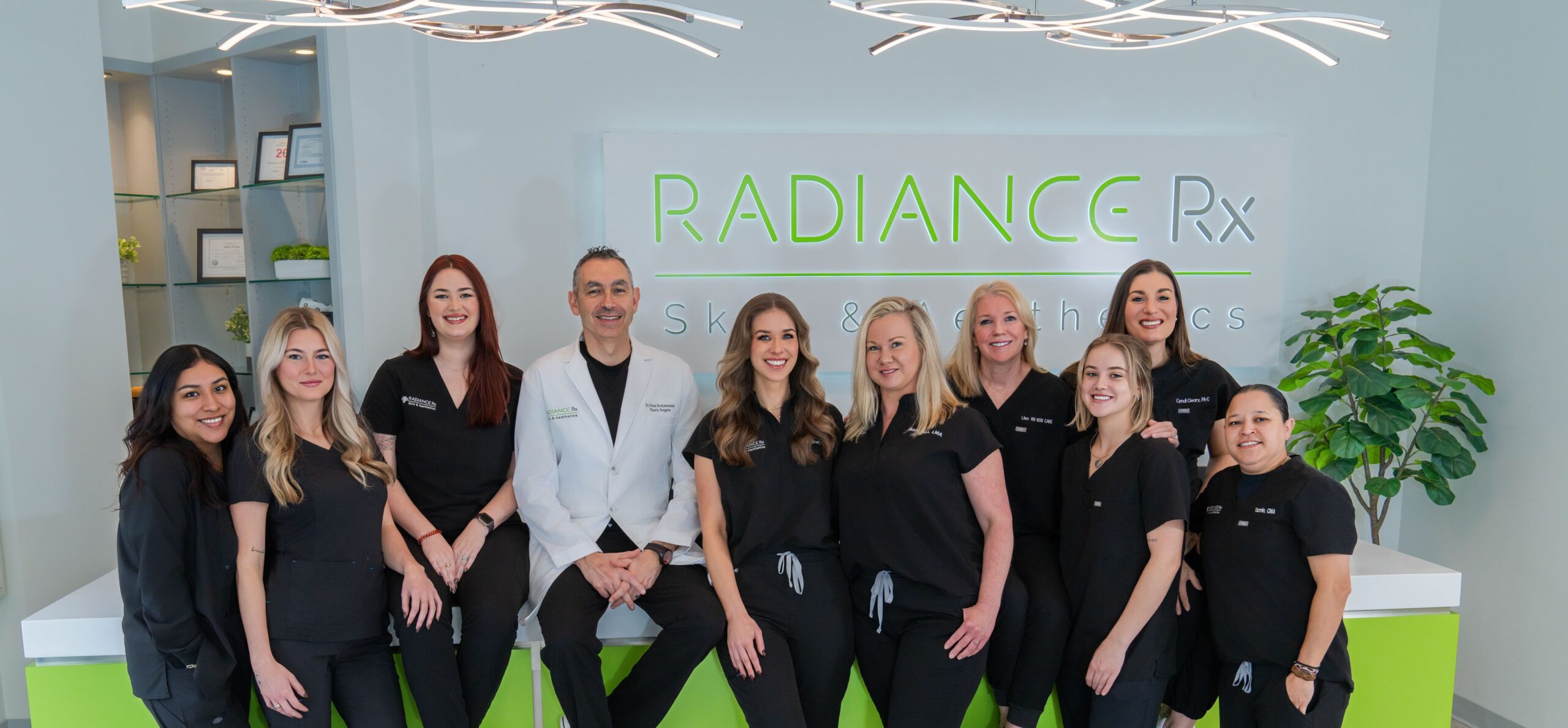
Professional evaluation is essential. Radiance Rx providers assess skin condition and timing to ensure treatment enhances, not harms, summer skin.
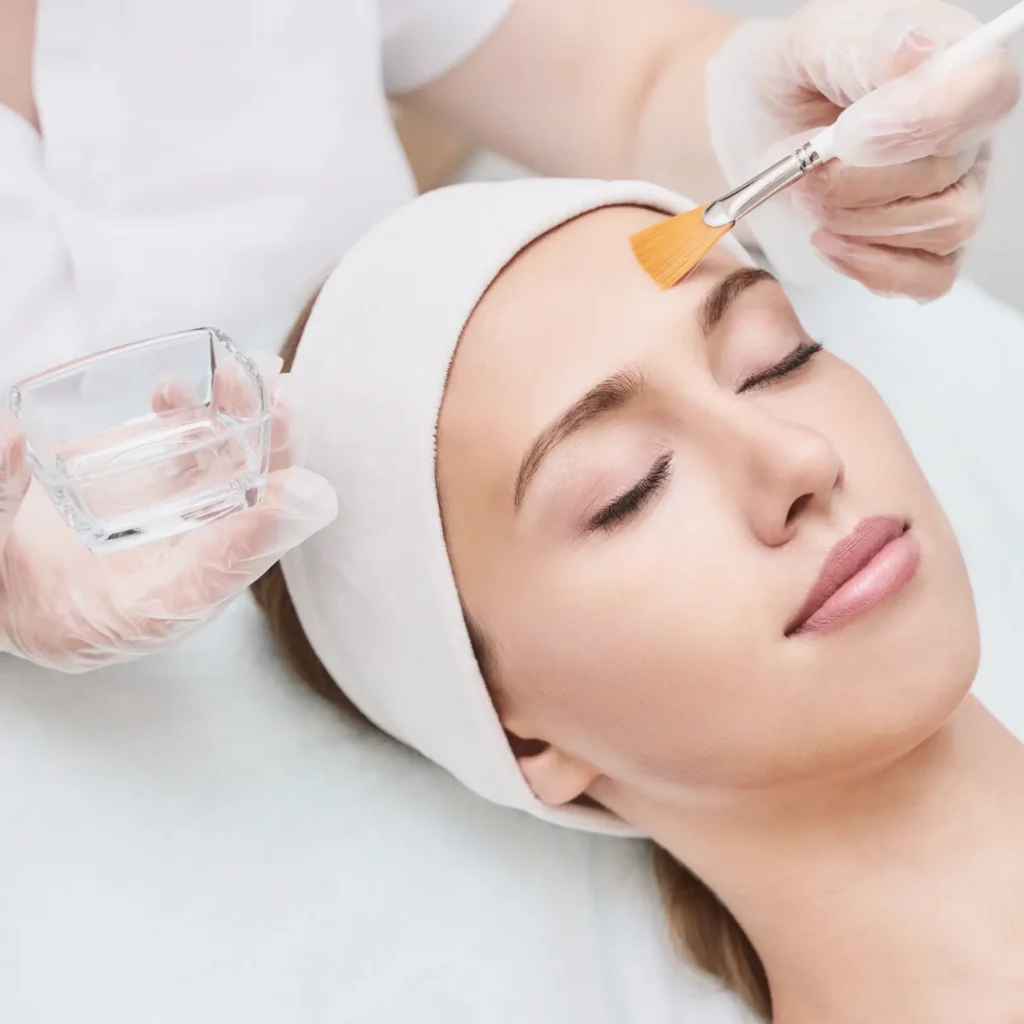
How Radiance Rx Skin & Aesthetics Approaches Summer Skin Treatments
Radiance Rx customizes exfoliation based on season, skin type, and lifestyle.
We use Koray treatment modeling to match resurfacing intensity with each patient’s UV exposure, skin condition, and regeneration needs. For summer:
- We offer superficial peels for summer safe treatment options.
- We recommend diamond-tip microdermabrasion as a gentle option for sensitive or reactive skin.
- We integrate SPF-focused aftercare kits for safe, at-home recovery.
Our goal is to deliver radiant, healthy skin all year, without compromising safety.
Decision Guide: Peel or Microdermabrasion?
| Scenario | Recommendation |
| You’re prepping for a summer wedding | Microdermabrasion |
| You have post-acne pigmentation | Light Chemical Peel |
| You want regular summer maintenance | Microdermabrasion |
| You’re tackling melasma or sun spots | Superficial Peel |
| You have sensitive, redness-prone skin | PCA Sensi Peel or Microderm |
Final Thought: Choose Based on Skin, Season, and Lifestyle
For summer skin, microdermabrasion offers safety, glow, and no downtime. Light chemical peels deliver deeper results but require diligent care.
Let your skin’s needs guide your treatment. At Radiance Rx, we tailor every session to balance visible results with seasonal safety.
Schedule your summer consultation today to discover your ideal glow-forward path, the Radiance Rx way.
Frequently Asked Questions
Is it safe to get a chemical peel in summer?
Yes, superficial peels like lactic, mandelic, or kojic are safe in summer when paired with daily SPF 50+, shade protection, and gentle aftercare. Avoid deeper peels during peak UV exposure. Always consult your provider to customize for season and skin type.
Which treatment is better for acne scars in summer?
Light chemical peels work better for acne scars by targeting pigment and texture at a deeper level. However, they must be followed by strict sun protection. Microdermabrasion is safer for ongoing maintenance or for clients with high sun exposure plans.
Does microdermabrasion make skin sensitive to the sun?
Microdermabrasion creates minimal photosensitivity compared to peels, but sunscreen is still essential. It removes the outermost layer of dead skin, leaving fresh skin slightly vulnerable. Use SPF 30+, wear a hat, and avoid intense sun for 24–48 hours post-treatment.
Can I get either treatment before a beach trip?
Yes, but plan ahead. Schedule your treatment 5–7 days before sun-heavy events. This gives your skin time to heal and strengthens your moisture barrier. Pair with SPF 50+, antioxidant serums, and physical sun protection like hats and umbrellas for safety.
How often should I get these treatments in summer?
Microdermabrasion can be done every 4 weeks for glowing, smooth skin. Light chemical peels should be spaced 4–6 weeks apart, adjusted based on your skin’s sun exposure, healing response, and goals. Always follow your provider’s protocol for safe summer scheduling.